
Origins and Early History
The German Shepherd Dog (GSD) is one of the world’s most recognized and respected breeds. Intelligent, loyal, and versatile, the GSD has long been admired for its ability to adapt to numerous roles—from herding sheep in rural Germany to serving as a police and military dog worldwide. The breed’s origins can be traced to late 19th-century Germany, during a time when Europe was experiencing rapid industrialization, and traditional herding practices were evolving.
The man most responsible for developing the breed was Captain Max von Stephanitz, a German cavalry officer who believed that dogs should be bred primarily for utility, not appearance. In 1899, he attended a dog show where he encountered a wolf-like herding dog named Hektor Linksrhein. Von Stephanitz was immediately impressed by the dog’s intelligence, agility, and obedience. He purchased Hektor, renamed him Horand von Grafrath, and established the Verein für Deutsche Schäferhunde (SV)—the German Shepherd Dog Club. Horand became the first registered German Shepherd and the foundation of the breed.
Von Stephanitz set out to build the ideal working dog, combining intelligence, physical strength, and a strong work ethic. The breed quickly gained popularity throughout Germany, particularly with farmers, shepherds, and later, the police and military.
World Wars and Global Recognition
The First and Second World Wars played a crucial role in popularizing the German Shepherd beyond Germany. During World War I, German Shepherds were used extensively as messenger dogs, sentries, and search-and-rescue animals. Their courage and intelligence impressed soldiers on both sides of the conflict. Returning Allied servicemen brought stories—and even puppies—home with them, sparking interest in the breed in countries like Britain, the United States, and Canada.
However, due to anti-German sentiment following the wars, the breed’s name was temporarily changed in several countries. In the United Kingdom, it became known as the Alsatian Wolf Dog (later shortened to “Alsatian”), a name that persisted for decades. In the United States, the American Kennel Club (AKC) also adopted the term “Shepherd Dog.” Eventually, the breed’s original name was restored, though “Alsatian” remains in occasional use in the UK today.
By the mid-20th century, the German Shepherd had firmly established itself as one of the world’s most popular breeds. Its intelligence, versatility, and loyalty made it a favourite for families, police forces, and armed services alike.
Physical Characteristics and Temperament
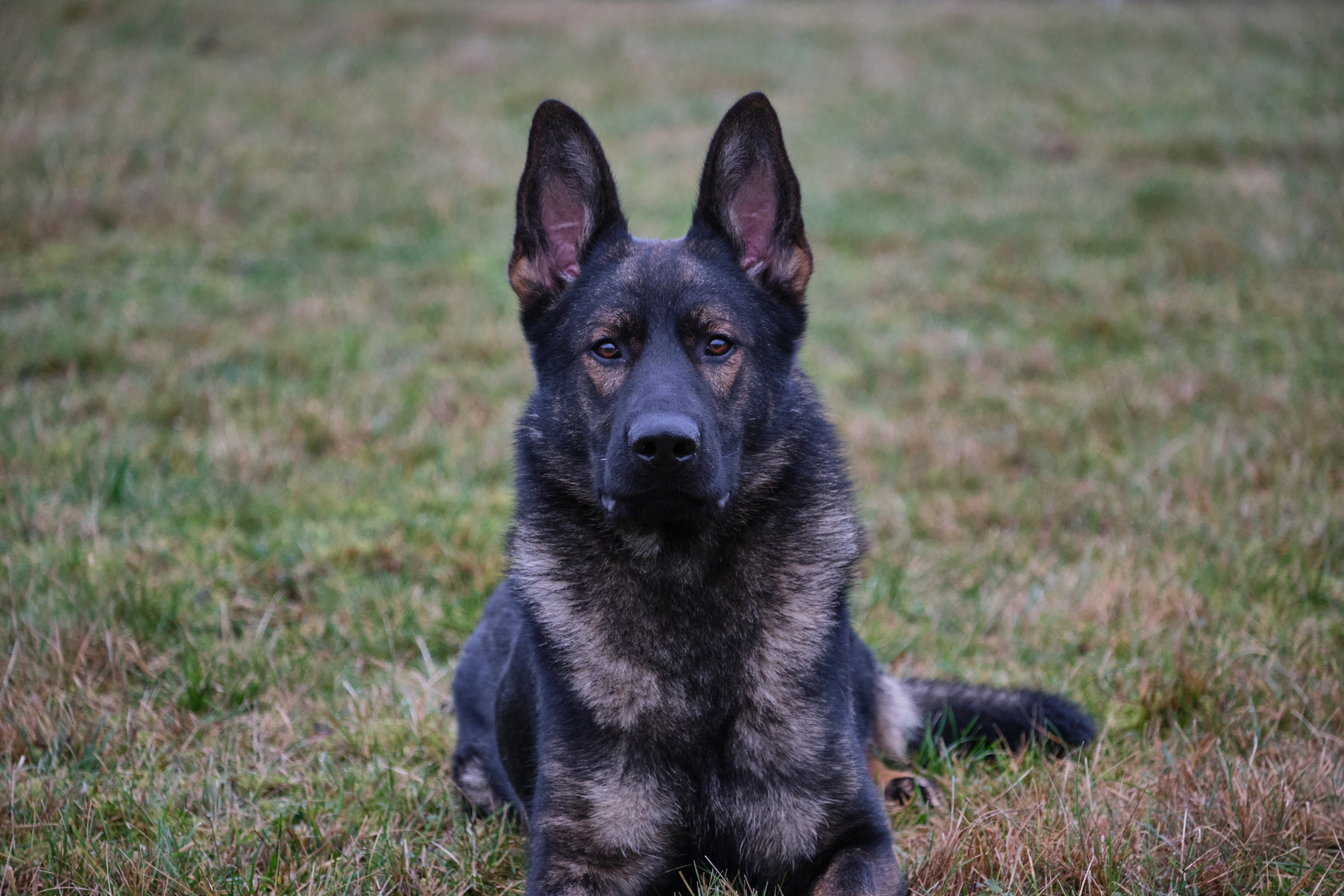
The German Shepherd is a large, muscular, well built dog with an athletic build. Males typically stand 24 to 26 inches (60–65 cm) at the shoulder, while females can range from 22 to 24 inches (55–60 cm). The breed’s primary features include a strong head, erect and alert ears, an elongated muzzle, and a bushy tail that curves slightly downward.
Its double coat—consisting of a dense undercoat and a harsher outer layer—comes in several colours, though the classic black-and-tan pattern remains the most iconic. Other colour variations include sable, solid black, bi-colour, and, more rarely, white or blue.
Temperamentally, the German Shepherd is known for being intelligent, confident, and loyal. It forms strong bonds with its family and is naturally protective, making it an excellent guardian. However, because of its high intelligence and energy, it requires consistent training, mental stimulation, and exercise. Without proper direction, boredom or anxiety can lead to destructive behaviour.
Different Types of German Shepherds
Over time, different breeding focuses/priorities and regional preferences have led to the creation and development of several distinct types of German Shepherds. While they all share the same ancestry, these variations differ in appearance, temperament, and purpose.
1. West German Working Line
The West German Working Line is the closest to Max von Stephanitz’s original vision of a functional working dog. These German Shepherds are bred primarily for performance, endurance, and intelligence. They have a more rugged appearance, straighter backs, and are often darker in colour (usually sable or black-and-tan).
They are commonly used in police, military, and search-and-rescue work, and excel in competitive obedience and protection sports such as Schutzhund (IPO). Their temperament is balanced, combining high drive with a strong sense of loyalty and control.
2. East German (DDR) Line
The East German Shepherd, or DDR line, was developed after World War II in East Germany under strict government breeding programs. These dogs were bred for military and border patrol purposes, with a focus on strength, endurance, and stability.
DDR German Shepherds have a thicker bone structure, larger heads, and a straighter topline than modern show lines. Their coats are usually dark, often sable or black. They are known for their discipline, toughness, and high drive, making them ideal for demanding service work.
3. West German Show Line
The West German Show Line was bred primarily for conformation—dogs that meet the breed standard’s ideal physical appearance. These German Shepherds are often seen in dog shows around the world. They have a distinctive sloping back, more angulated hindquarters, and a graceful gait.
While still intelligent and trainable, these dogs tend to have a calmer disposition and are often better suited as family companions than high-drive working dogs.
4. American Show Line
The American Show Line German Shepherd is the most common type found in the United States. These dogs are bred mainly for appearance and temperament, rather than working ability. They feature a more pronounced slope to their back and lighter bone structure than European lines.
They tend to be gentler and more easygoing, making them popular as pets and show dogs. However, they may lack the intense drive and working focus of their European counterparts.
5. Czech Working Line
The Czech German Shepherd shares its roots with the DDR line but was developed in the former Czechoslovakia. These dogs were bred primarily for border patrol and military work, emphasizing health, strong nerves, and courage.
Czech Shepherds are typically compact, muscular, and agile, with dark pigmentation and a calm, confident temperament. They are prized for their loyalty and composure under pressure, making them excellent for protection or service work.
German Shepherds as Working Dogs
The German Shepherd’s intelligence, trainability, and versatility have made it one of the most widely used working dog breeds in the world. Its ability to quickly learn commands, follow complex instructions, and remain composed under stress has ensured its presence in nearly every field requiring canine assistance.
1. Police and Military Roles
German Shepherds have long been staples of law enforcement and military units. Their acute sense of smell, courage, and obedience make them ideal for tracking suspects, detecting drugs or explosives, and performing search operations. Many police departments prefer German Shepherds because they can both apprehend suspects and provide strong deterrence through their presence alone.
In the military, they are used for patrol, detection, and messenger duties, as well as search and rescue missions in war zones. They have served heroically in conflicts from World War I through Afghanistan, often saving countless human lives.
2. Search and Rescue (SAR)
The German Shepherd’s physical endurance and scenting ability also make it a leading choice for search and rescue teams. These remarkable dogs are trained to locate missing persons in natural disasters, avalanches, and urban emergencies. Their agility, strength and speed allows them to navigate rough terrain, and their strong bond with handlers ensures reliable teamwork under stressful conditions.
3. Service and Therapy Work
Beyond the battlefield and the police force, German Shepherds excel in civilian assistance roles. They are often trained as guide dogs for the visually impaired, hearing dogs, or mobility assistance dogs. Their calm temperament and loyalty make them reliable companions for any individual with disabilities or mental health conditions such as PTSD.
4. Herding and Sport
Despite their modern roles, German Shepherds remain true to their herding roots. In some rural areas, they are still used to manage livestock, demonstrating their original purpose as shepherd dogs. Additionally, they thrive in dog sports like agility, obedience, tracking, and protection trials—activities that showcase their intelligence and drive.
The German Shepherd is far more than a household name—it is a symbol of loyalty, intelligence, and service. From its origins in 19th-century Germany to its modern roles in police forces, militaries, and homes around the world, the breed’s adaptability has cemented its status as one of humanity’s most trusted canine partners.
Whether herding sheep in a field, rescuing victims from disaster zones, or providing emotional support to those in need, the German Shepherd continues to embody the ideals Max von Stephanitz envisioned more than a century ago: “Utility is the true criterion of beauty.”