
Unleashing the Potential

A Basic Overview of  Dog Training

Enquire Now

Dog Training Overview


Dogs are known as “man’s best friend” for a reason – their loyalty, companionship, and adaptability make them remarkable additions to our lives. However, to ensure a harmonious relationship with our canine companions, training is essential. This comprehensive guide explores three critical aspects of dog training: Puppy Training, Obedience Training, and Protection Training. Whether you welcome a new puppy into your home or want to refine your dog’s skills, this guide will provide insights and tips for a well-rounded training experience.

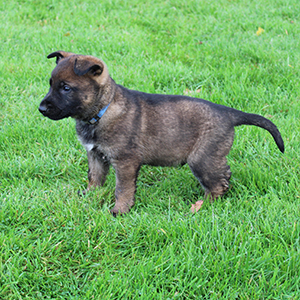
Puppy Training: Building the Foundation:


Puppyhood is a crucial stage in a dog’s life. During this time, they learn basic manners, socialisation skills, and the foundations of behavior. Here are some fundamental principles of puppy training:

Socialisation: Expose your puppy to various people, animals, environments, and experiences to build their confidence and reduce anxiety around new situations.

Basic Commands: Teach basic commands like sit, stay, and come. Positive reinforcement techniques, such as elevated praise and treats, work effectively with puppies.

Crate Training: Crate training helps with housebreaking and provides your puppy with a safe space. Ensure the crate is associated with positive experiences.

Potty Training: Establish a regular potty schedule and consitantly reward your puppy for eliminating in the appropriate spot. Consistency is key.

Handling and Grooming: Get your puppy used to being handled, including brushing, nail trimming, and ear cleaning, to make future grooming stress-free.


ENQUIRE NOW

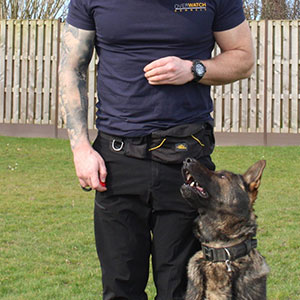
Obedience Training: Polishing Skills and Behavior:


Obedience training is about refining your dog’s behavior and ensuring they can respond to commands reliably. Here’s what you should focus on:

Advanced Commands: Move beyond basic commands to teach more advanced ones like heel, leave it, and down-stay.

Leash Training: Teach loose leash walking to make walking more enjoyable for you and your dog. Use positive reinforcement and patience.

Distraction Training: Train your dog to remain obedient even in the face of distractions. Start in low-distraction environments and gradually increase the challenge.

Positive Reinforcement: Continue using positive reinforcement techniques to reward desired behavior. Consistency is crucial.

Clicker Training: Consider clicker training, which uses a clicker to mark desired behavior followed by a treat. This method can be highly effective.


ENQUIRE NOW

Protection Training: Advanced Skills for Specialized Roles:


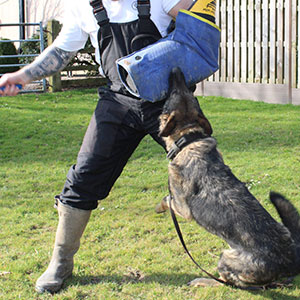
Protection training is a specialised form of training commonly used for working dogs like police K-9s and guard dogs. It’s essential to seek professional guidance for protection training, as it can be potentially dangerous if not done correctly. Key aspects include:

Controlled Aggression: Dogs must learn to display aggression only when commanded, ensuring they can be controlled in high-stress situations.

Bite Work: This involves training the dog to apprehend a target, typically a padded sleeve or bite suit worn by a trainer.

Handler Protection: Dogs are trained to protect their handlers from threats.

Obedience Under Stress: Protection dogs must obey commands even in stressful situations, requiring exceptional training and discipline.

Ethical Considerations: Protection training should always be carried out with the dog’s welfare in mind, prioritising their safety and well-being.


ENQUIRE NOW

Overwatch Kennels in Lancashire, England, stands as a testament to the fusion of passion and expertise in canine breeding. Their commitment to producing genetically sound, confident, and accomplished Czech Working Line German Shepherds is unwavering.

The Overwatch Blog