
Origins and Early Development
The history of the Czech working line German Shepherds dates back to the late 19th and early 20th centuries when the original German Shepherd breed was developed by Captain Max von Stephanitz in Germany. As the breed’s popularity spread, different countries began selectively breeding them for specific purposes.
In Czechoslovakia, the demand for a highly capable working dog led to the development of a unique strain of German Shepherds. In the 1950s, the Czechoslovakian border patrol and military started breeding German Shepherds specifically for their needs. The breeding program was managed under state control at the Pohraniční Stráž (Border Guard) kennel, known as z Pohraniční stráže (translated as “from the Border Guard”).
Selective Breeding for Work and Performance
Unlike the show-line German Shepherds, which were bred primarily for aesthetics, Czech working-line German Shepherds were bred for their working capabilities. The selection process focused on traits such as:
Strong drives (prey, defense, and hunt)
High intelligence and trainability
Excellent endurance and agility
Strong nerves and stability under pressure
Superior health and longevity
The Pohraniční Stráž kennels followed strict breeding standards, ensuring that only the most capable dogs were used for reproduction. This resulted in a highly resilient and effective working dog suited for law enforcement, military operations, and search-and-rescue missions.
Role in Border Security and Military Work
During the Cold War, the Czech working line German Shepherds played a crucial role in guarding the borders of Czechoslovakia. These dogs were extensively trained in tracking, obedience, protection, and scent detection. They were deployed alongside border patrol officers to prevent illegal crossings and to detect potential threats.
Their unwavering loyalty and superior abilities made them invaluable assets to the military and law enforcement agencies. The Czech dogs developed a reputation for being tougher, more driven, and more resilient than other working lines of German Shepherds.
Post-Cold War Era and Global Influence
Following the fall of communism in 1989 and the dissolution of Czechoslovakia in 1993, the government-run breeding programs began to change. Many of the Czech working-line German Shepherds found their way into the civilian world, with breeders in the Czech Republic and beyond continuing to refine the bloodline.
Today, the Czech working line German Shepherd is highly sought after worldwide for its exceptional working ability. Many law enforcement and military units around the world continue to use these dogs in K9 programs. Additionally, they are popular among sport dog enthusiasts who compete in Schutzhund (now known as IGP), a demanding dog sport that tests tracking, obedience, and protection skills.
Physical Characteristics and Temperament
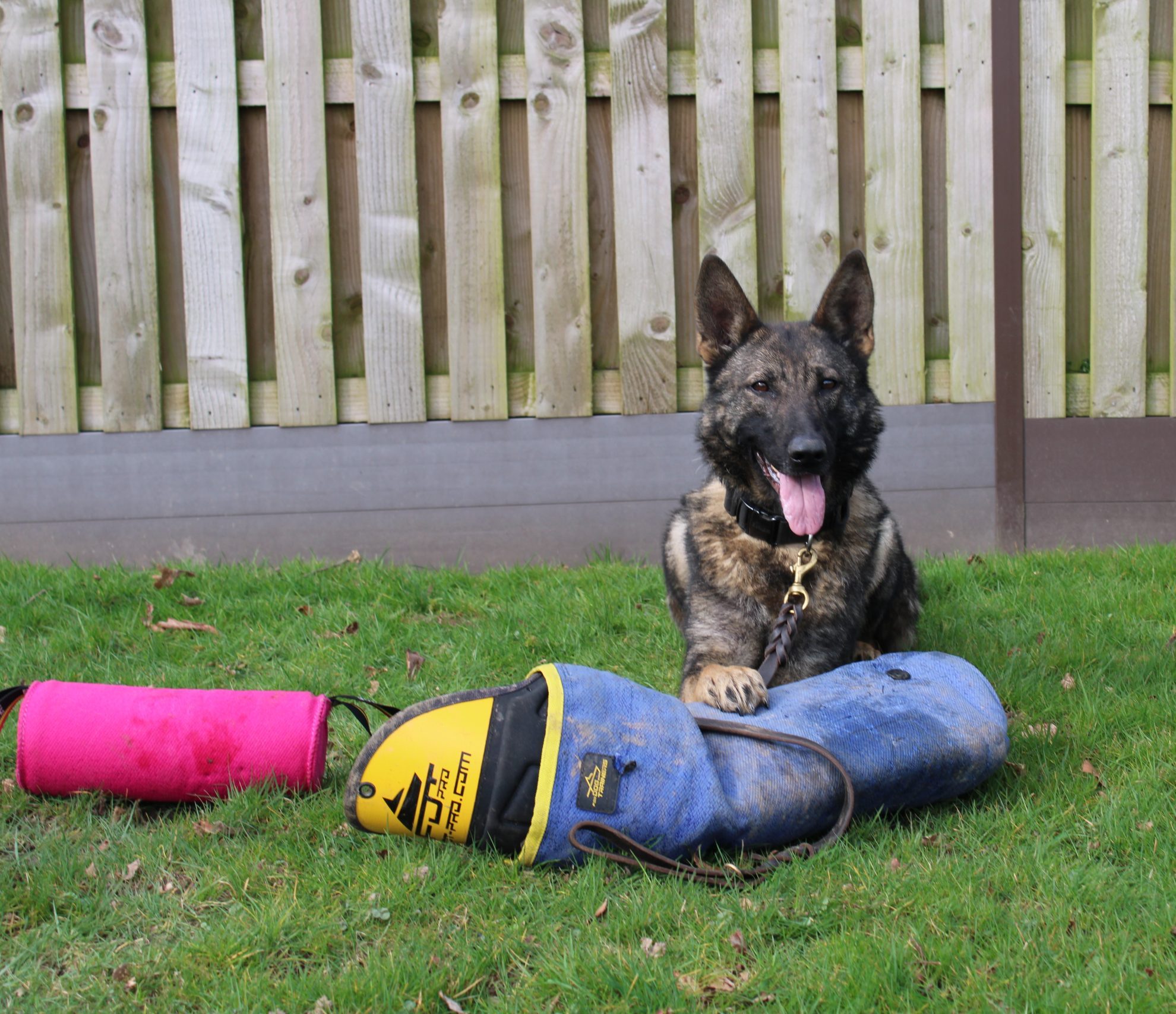
Czech working line German Shepherds are often darker in color, with sable and bi-color being the most common coat patterns. They tend to be more compact and muscular compared to their show-line counterparts, with a straighter back that contributes to better endurance and reduced risk of hip dysplasia.
Their temperament is characterised by a strong work ethic, unwavering loyalty, and a high level of intelligence. These dogs thrive when given a purpose and require active engagement, making them ideal for experienced handlers who can provide structured training and work opportunities.
The Czech working-line German Shepherd is a breed that exemplifies the best qualities of a working dog. Its history, rooted in military and border patrol duties, has shaped it into a highly capable, intelligent, and driven companion. Today, these dogs continue to excel in various working roles, from law enforcement and military service to competitive dog sports and personal protection. Their legacy as elite working dogs remains strong, making them one of the most respected and sought-after German Shepherd bloodlines in the world.